Membership
Promoting effective social investments for Puerto Rico’s youth and families
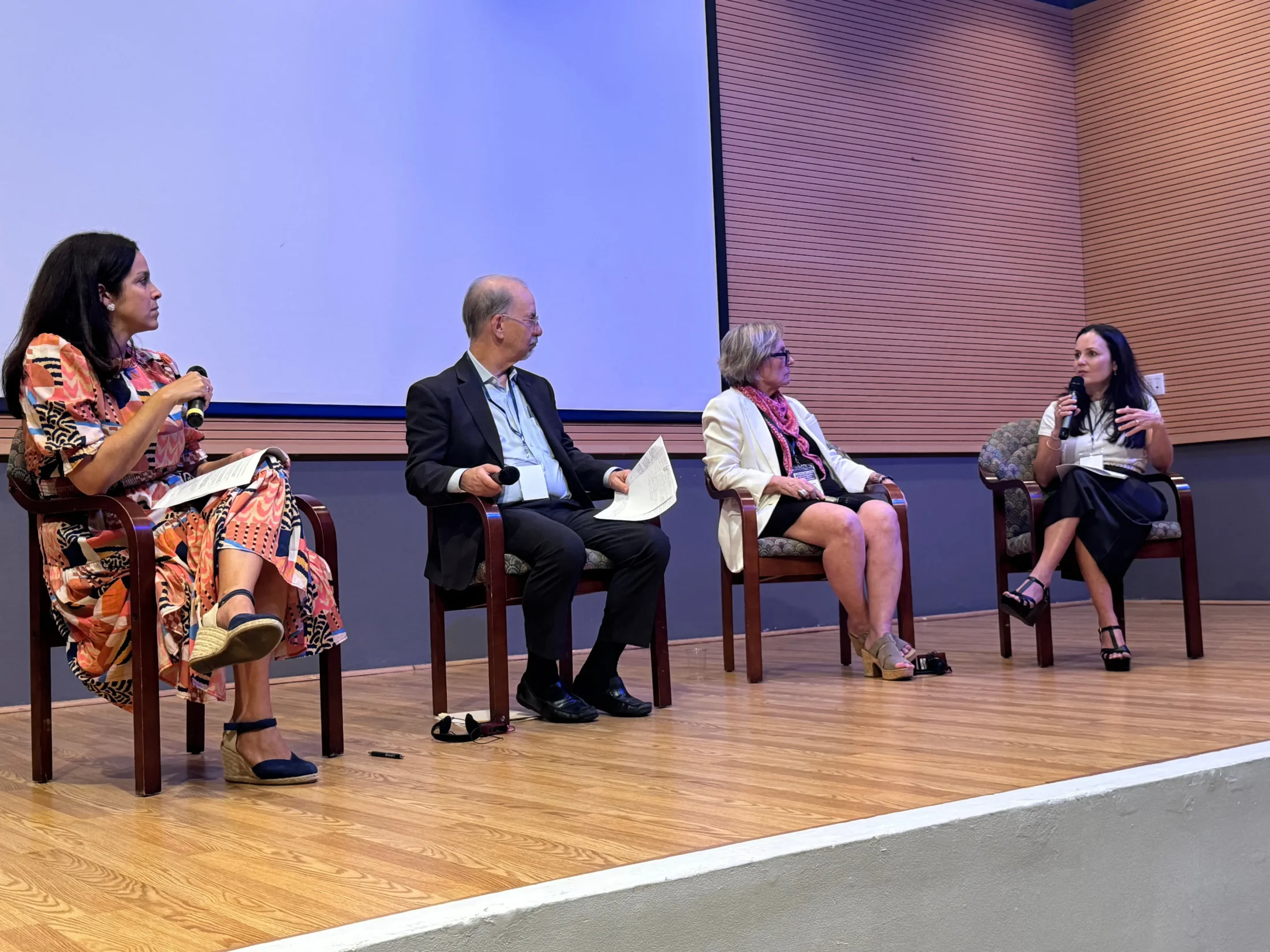
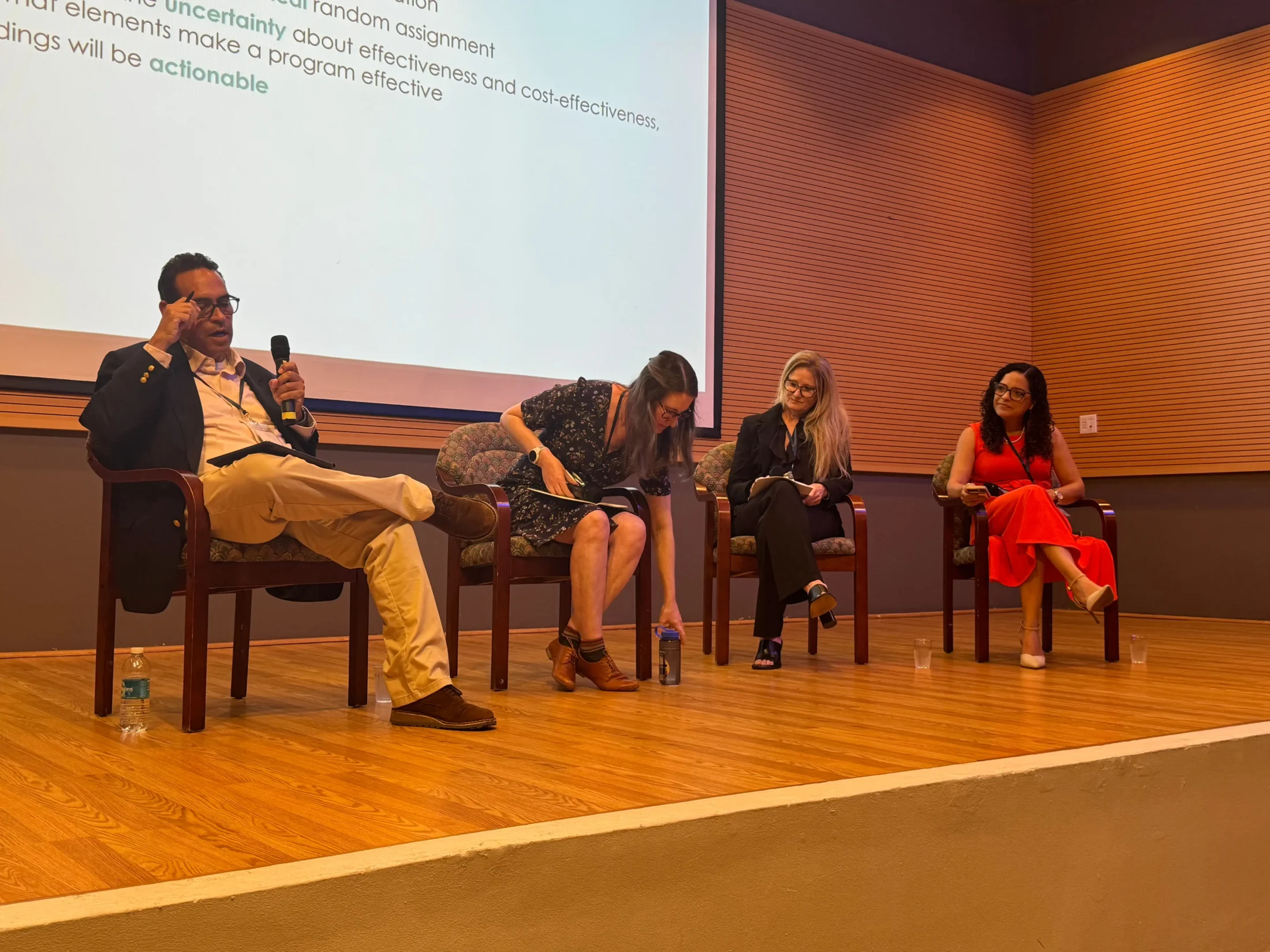

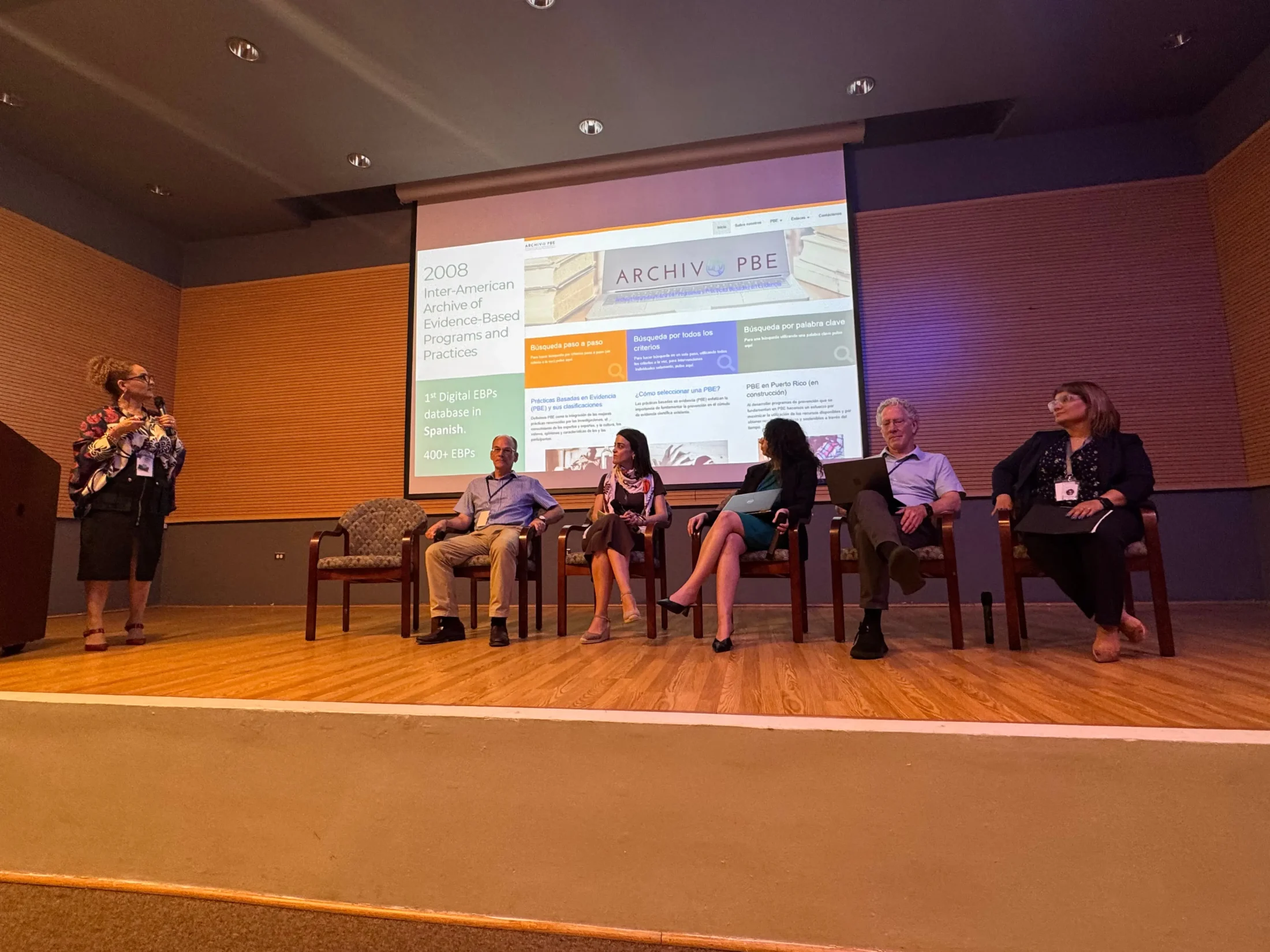

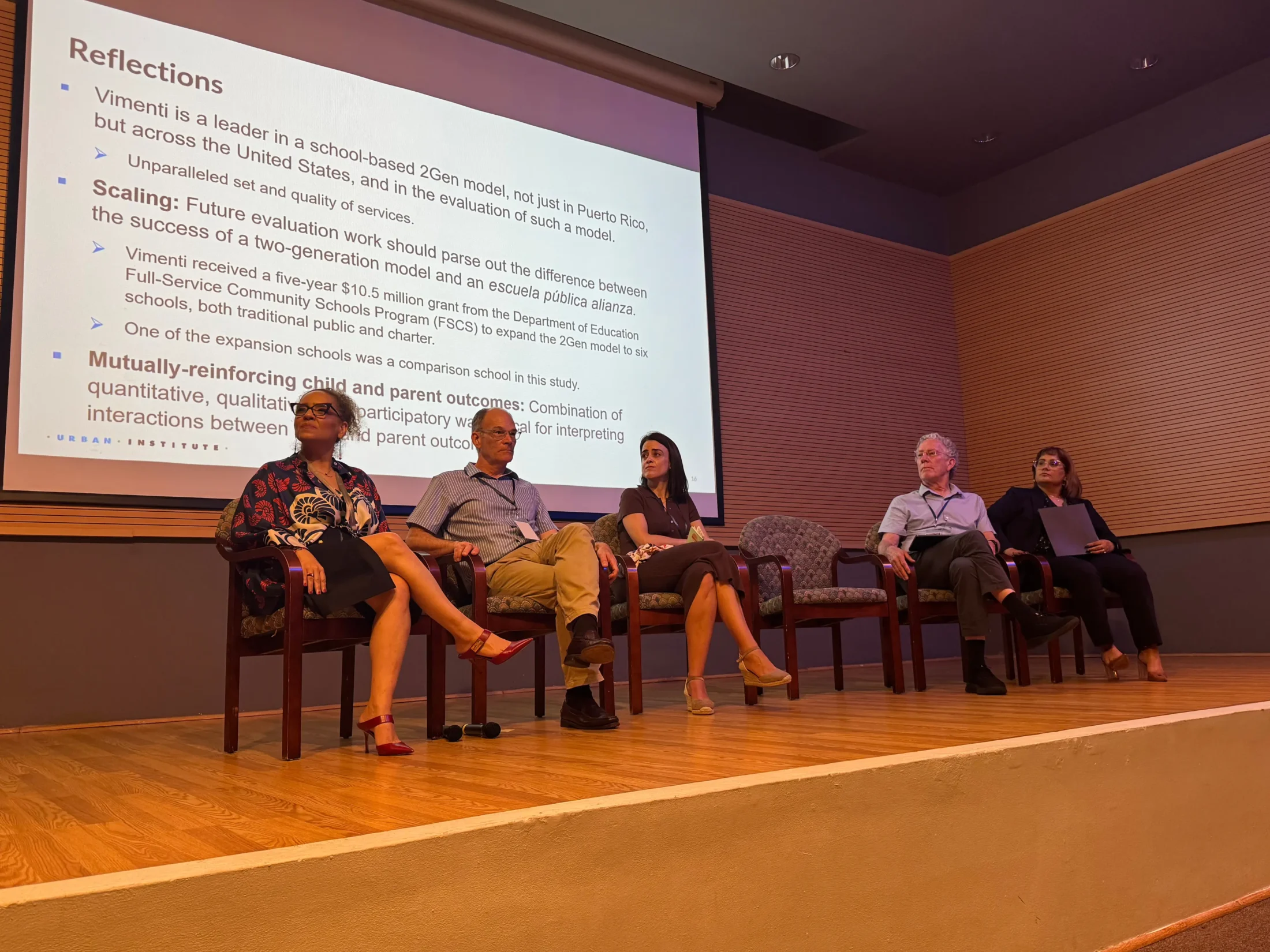
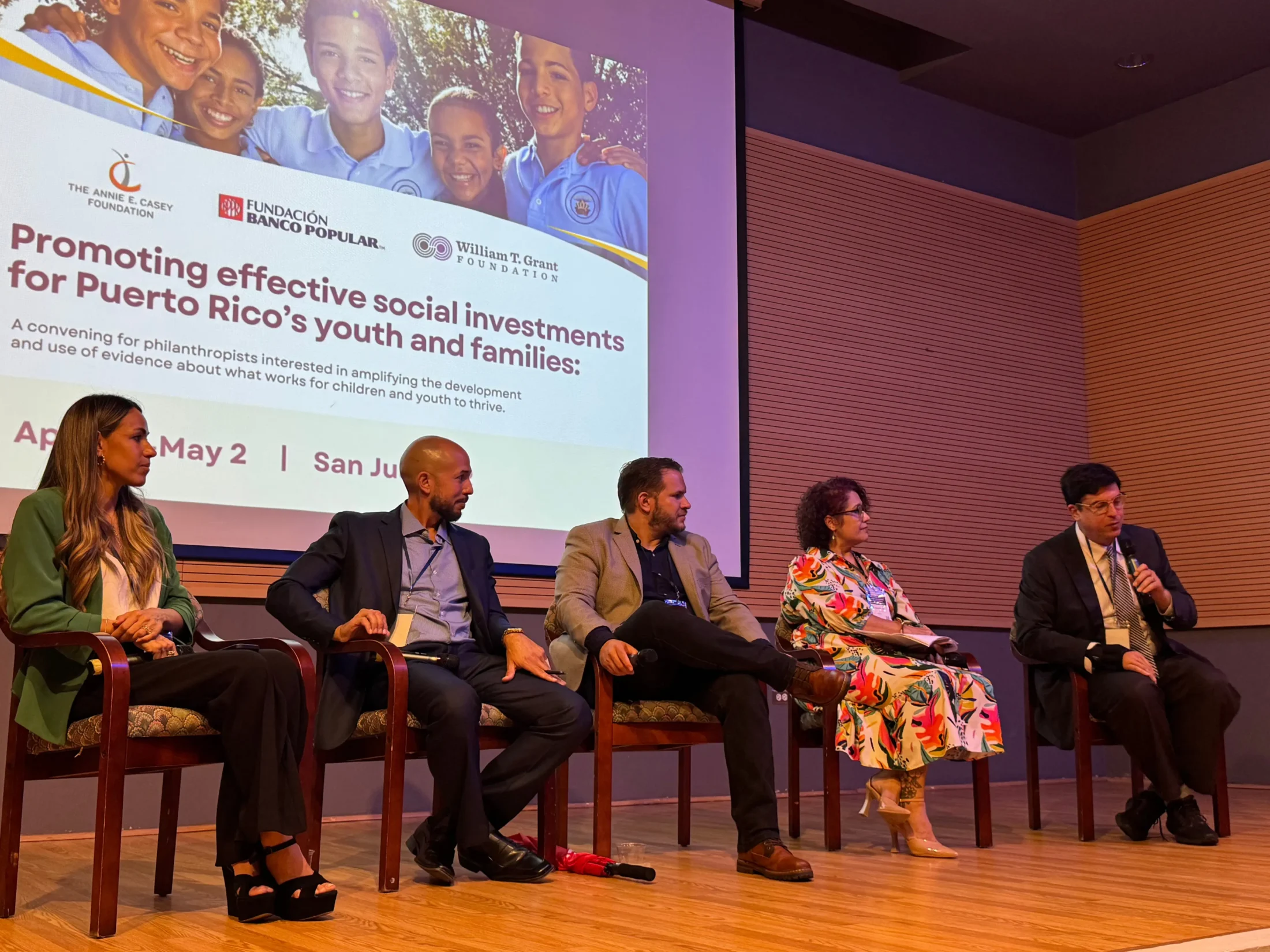
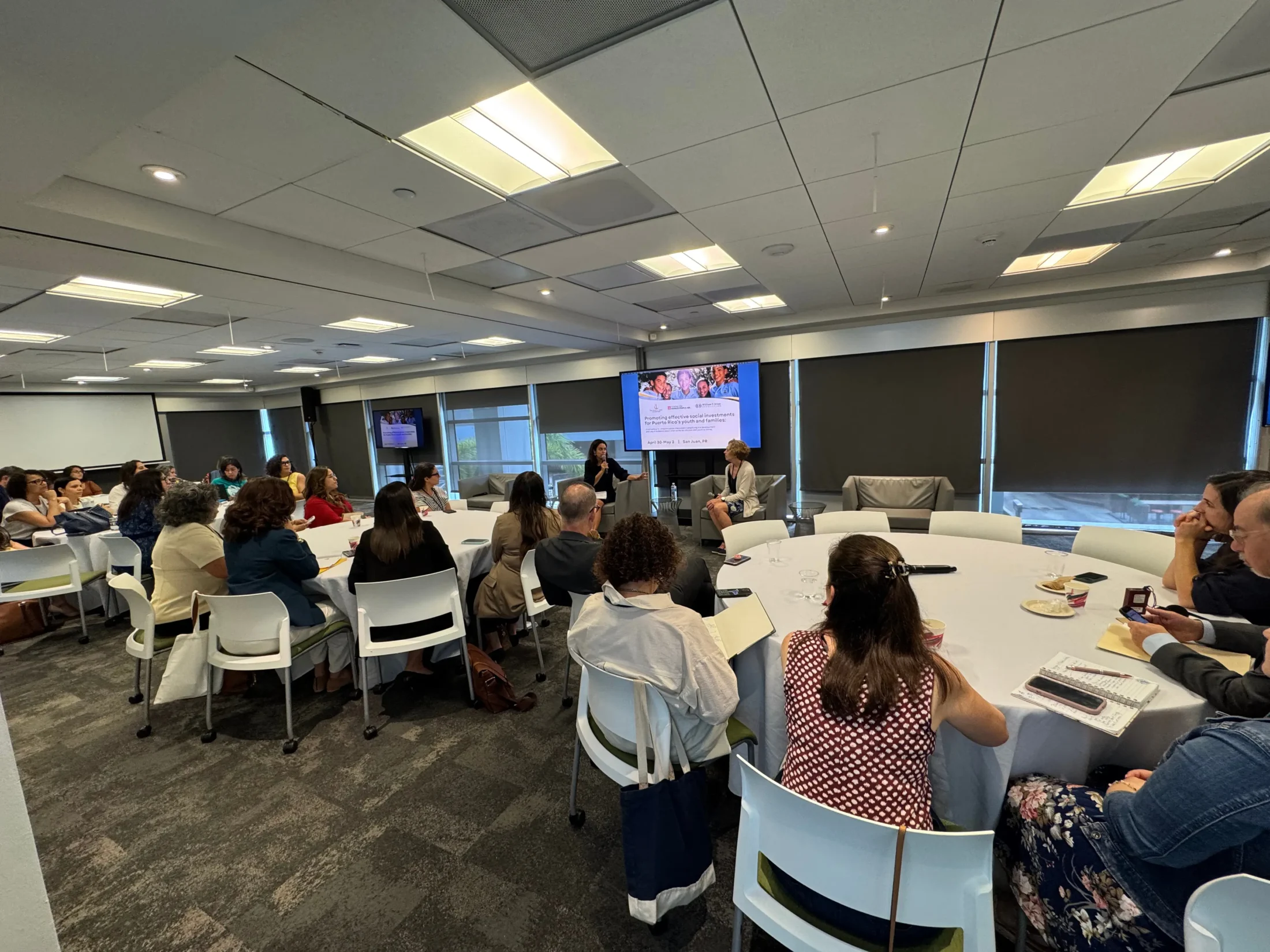

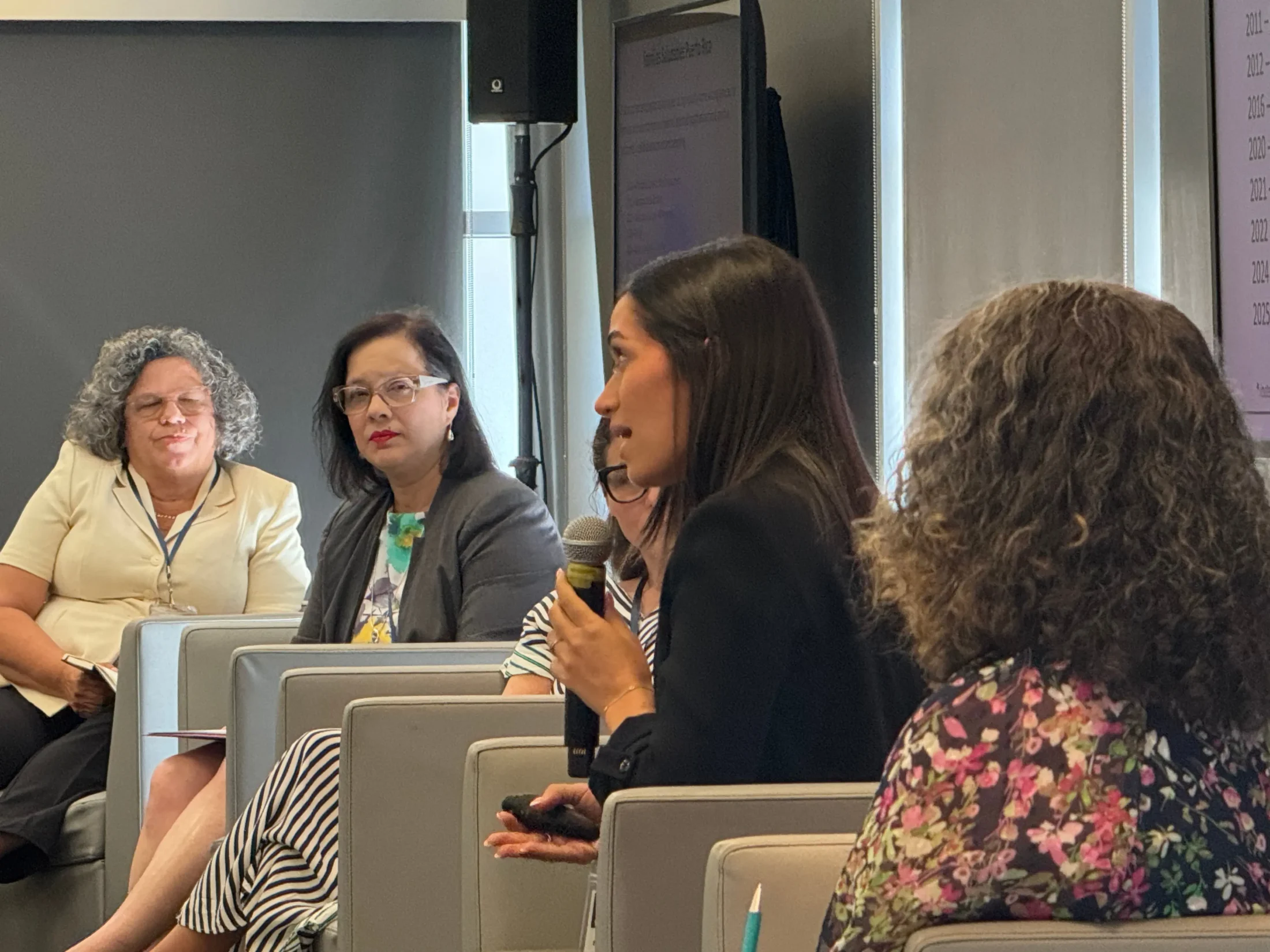
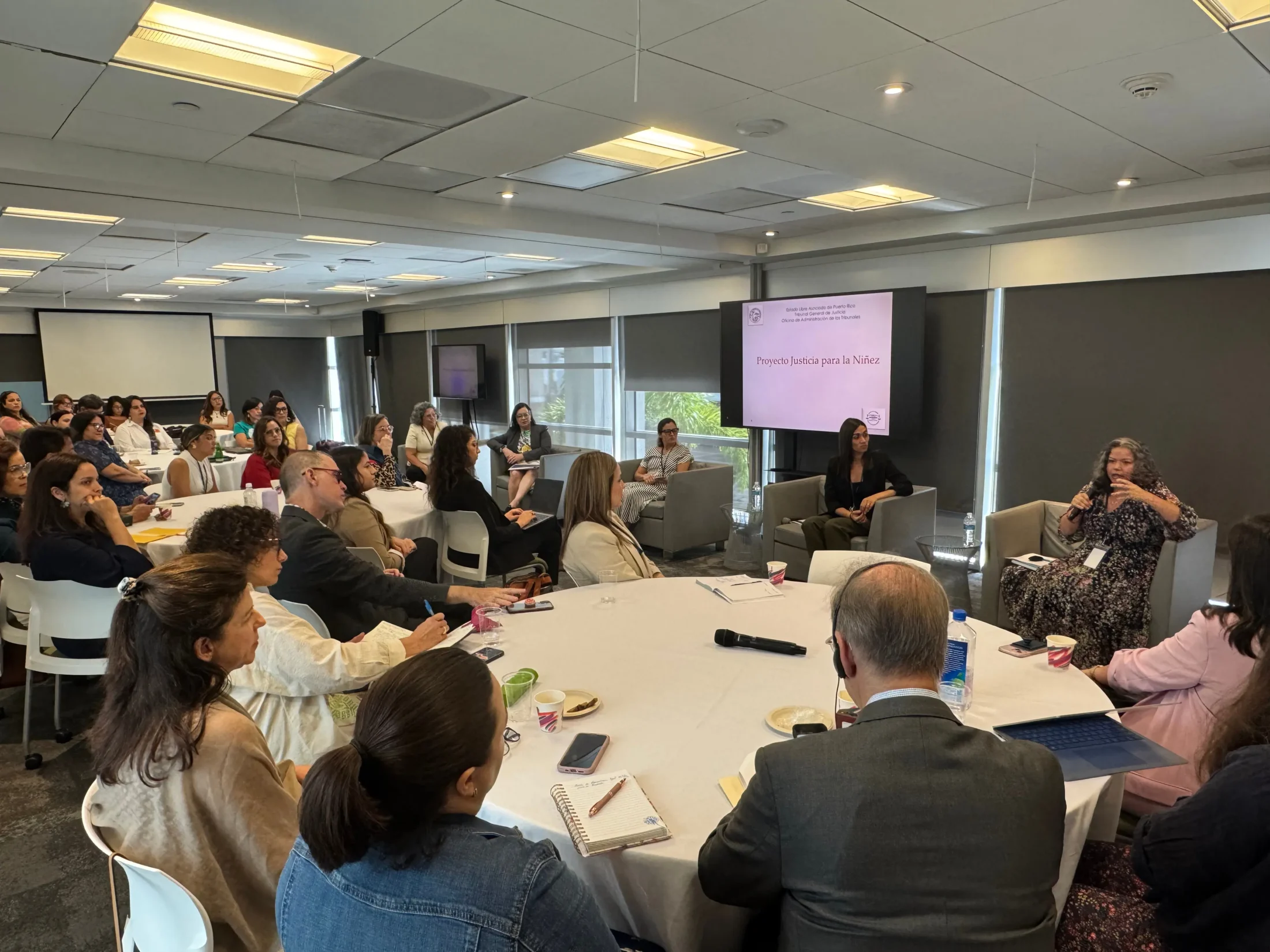
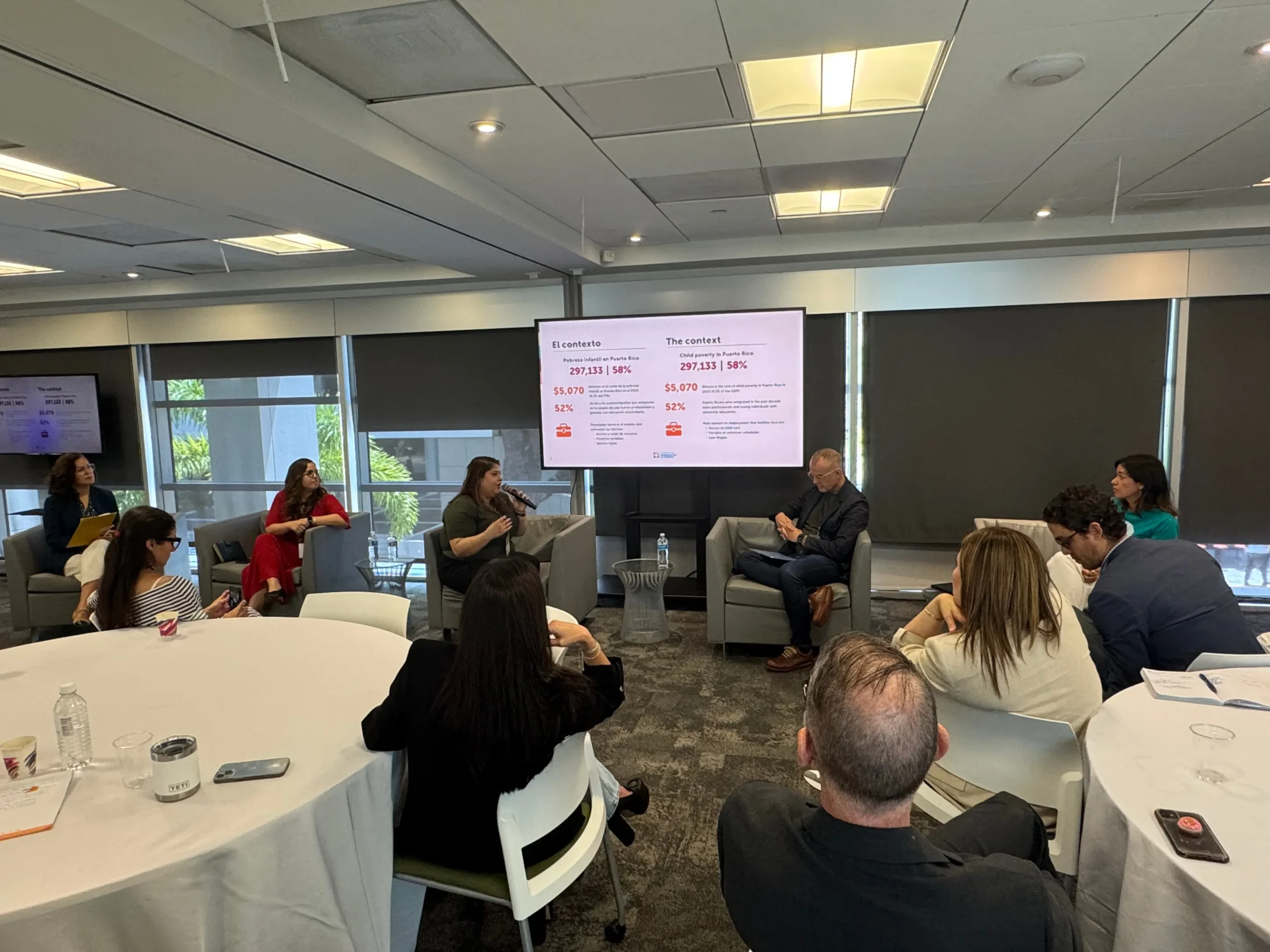
We just held our first conference centered on evidence based practices impacting youth and families. Our conference “Promoting effective social investments for Puerto Rico’s youth and families” reunited local and US philanthropic entities. We visited different schools, learned about best practices for evidence based efforts, and discussed areas of opportunity to invest in projects implementing evidence based approaches in Puerto Rico. This conference emerged from our interest in expanding philanthropy in Puerto Rico and getting a better sense about the diversity of needs in our membership. With this smaller convening happening in the Spring, we aim to invite grantmakers from outside of Puerto Rico to learn about existing practices on the island. We were delighted to welcome new grantmakers as well as our existing members leading efforts in education.
Participants were able to visit three schools with different operational models during the first day of the conference. Our first stop was at a public elementary school, followed by a charter elementary and middle school, and we closed our day at a public high school. All institutions had different models of integrating the support of non-profit organizations to ensure success factors such as accessibility and social mobility.
During the second day of the conference, we were able to focus on the different dimensions of evidence based practices from the role of philanthropy to methods and existing efforts. Invited guest speakers as well as participants were able to present their organizational models for building evidence and evaluating impact. We opened the conference establishing a basic and common definition of evidence: “Evidence is knowledge that you gather and has been identified through systematic and rigorous process of evaluation and research.”. Following this opening, participants discussed the role of philanthropy in promoting the development and use of evidence, and how philanthropic entities can start thinking about how to be involved and support their grantees in developing evaluations. We also explored concrete tools and options for building evidence to develop an understanding of the existing wide range of ways to build evidence. As we wrapped up the conversation, participants acknowledged that all these efforts require time, capacity and funding, underscoring the importance of creating a plan for strengthening the ecosystem in the areas of research and evaluation.
“Creating a culture of data is creating a culture of accountability, using evidence to improve outcomes, it’s that simple.” – Glenisse Pagan, Executive Director at Filantropía Puerto Rico
Finally, on the third day, we discussed the current use of data and evidence in the Puerto Rican government and how nonprofits have leveraged using evidence to shape public policy. We showcased a series of initiatives that have harnessed data and evidence-based practices in Puerto Rico to create systemic change- either through the integration of these practices in government agencies, or through advocacy and mobilization efforts. Participants also learned about what works to promote the use of evidence, highlighting how it isn’t enough to create evidence or disseminate. As part of the lessons shared by panelists, building relationships, developing trust, and providing opportunities to make meaning of data and evidence are equally important in the development of solutions.
There are plenty of opportunities for investors to continue investing in learning about what works to improve the outcomes of children and their families in Puerto Rico from the many incredible partners doing impressive work. As we move forward, we plan to:
- Continue the conversations and collaborations started in this convening.
- Share about the many opportunities in Puerto Rico with other funders and connect them to partners on the ground.
- Consider how to increase the capacity of grantees to evaluate their effectiveness.
- Expand your investments in social impact initiatives in Puerto Rico
As we continue to shape our agenda to further expand the creation of data and support of evidence based practices, this conference has inspired us to continue developing services that tackle our members’ current needs. We hope to continue the conversation in the fall during our Annual Convening.
Recommendations for Philanthropy
Based on the themes and discussions of the convening, we recommend the following potential action steps for funders and philanthropy invested in improving outcomes for children and youth in Puerto Rico.
- Ensure to allocate resources for data collection and evaluation in grants, in tandem with technical assistance: To strengthen the capacity of nonprofit organizations to build a culture of data, we recommend that funders include special allocations for evaluation and data collection within grants. These can be embedded into existing structures and be accompanied by technical assistance to help organizations determine where they are in the evaluation continuum and develop evaluation plans. They could be used for everything from developing logic models to data collection software to data analysis.
- Conduct a follow-up for convening exclusively focused on practitioners: This event could have two days- one geared towards NGO’s and provide practical information about different types of evaluations, as opportunities to connect with researchers and evaluators; and a second one geared towards policy makers and government agencies, highlighting evidence-based policies and programs that are ready to scale. The objective would be to give practical tools for organizations to develop a culture of data and move along the evidence continuum; and to continue strengthening the use of evidence to inform public policy.
- Partner with local universities or think tanks to strengthen evaluation capabilities on the island: One current limitation is the limited capability for conducting rigorous evaluations on the island. Even in a scenario where there was sufficient funding for research, much of this research would have to be outsourced. Hence, it is important to think innovatively about strengthening local capacity, including capacity building and certifications of local researchers; and fellowships to work with impact evaluations.
- Develop an evidence-building fund for Puerto Rico: A pooled fund for evidence building would leverage funding from Puerto Rico and the United States to provide the necessary resources for increased development of evidence. This could be a multi-tiered fund with smaller grants for organizations at the lower end of the evidence spectrum, and bigger donations for programs that are ready for quasi experimental or experimental evaluation. It would also create a network amongst grantees for peer learning and support.