
Membership
10 enfoques de IA en el Sector Social - Members Brunch Junio 2026


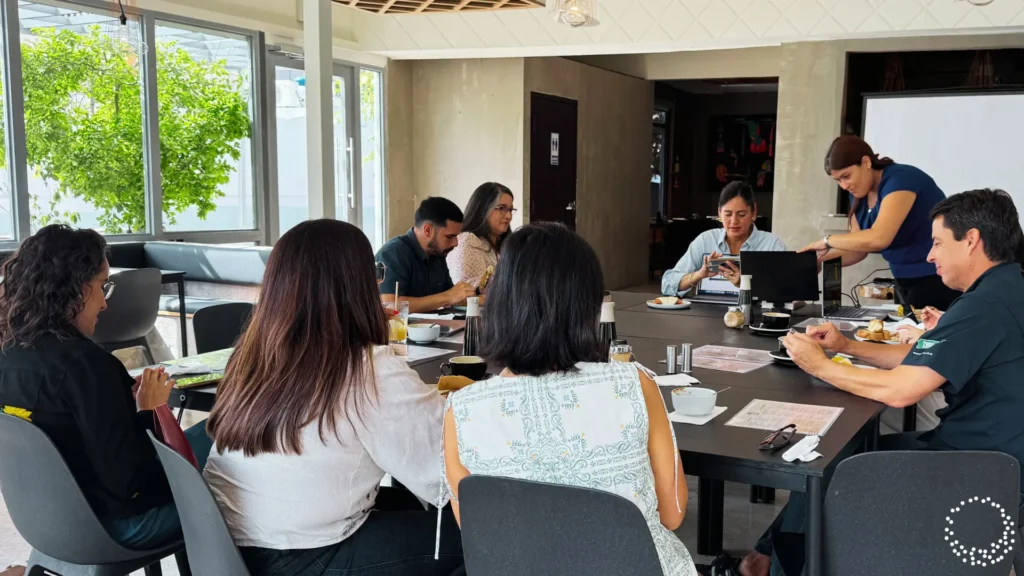

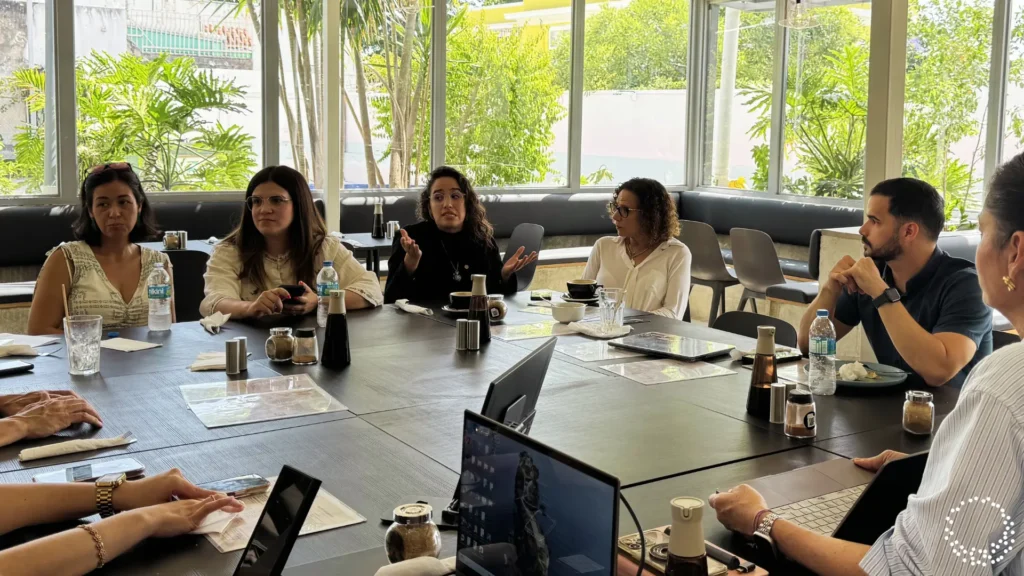
El tema de la inteligencia artificial ha ido surgiendo cada vez más en las conversaciones filantrópicas por lo que entendimos necesario dedicarle un espacio propio durante el Members Brunch del pasado 11 de junio en Tostado de Calle Loíza, en San Juan.
A través de una dinámica de tensiones creativas exploramos distintas perspectivas, identificamos preocupaciones compartidas y comenzamos a construir un entendimiento colectivo sobre cómo el sector filantrópico se está relacionando y a dónde debería mirar respecto a esta tecnología.
La conversación giró en torno a lo que todavía no sabemos, lo que nos preocupa y las responsabilidades que entendemos debe asumir el sector social.
Estos fueron los 10 enfoques principales que surgieron:
1. La IA no es una sola cosa
“Inteligencia artificial” es un término amplio que cubre desde herramientas integradas en plataformas de uso cotidiano hasta sistemas mucho más sofisticados. La conversación no debe limitarse a decidir si utilizamos o no IA, sino a comprender cómo usamos las herramientas para nuestro trabajo y agenciarnos de nuestro futuro.
2. La experiencia humana sigue siendo indispensable
El mejor uso de la inteligencia artificial es fortalecer los procesos humanos. Herramientas como FiPi, que agiliza el acceso y análisis a datos y estudios sobre el sector social en Puerto Rico, y FiFi, que apoya el autodiagnóstico de la salud fiscal de organizaciones sin fines de lucro, ilustran esta posibilidad. Ambas fueron creadas para servir como un partner de pensamiento: herramientas que ayudan a organizar información, identificar tendencias, validar ideas, cuestionar presunciones y anticipar patrones, mientras el juicio, el contexto,la creatividad y la toma de decisiones permanecen en manos de las personas.
3. La IA debe ser una herramienta, no un sustituto de las personas
La automatización puede reducir el tiempo dedicado a tareas repetitivas y transaccionales. El enfoque no es en reemplazar personas, sino liberar tiempo para el pensamiento estratégico, el fortalecimiento de relaciones y el trabajo creativo directo con las comunidades.
4. La IA tiene sesgos
Las herramientas, al igual que los humanos, reflejan los sesgos de los datos con los que fueron entrenadas. Utilizarlas enfocándote en que no deben tener sesgos es entregar tu responsabilidad a la herramienta, y puede llevar a decisiones erróneas. La intuición, la experiencia y el pensamiento crítico siguen siendo esenciales.
5. La privacidad, la seguridad y la gobernanza son clave
La adopción responsable de IA requiere conocer las capacidades y el contexto de la herramienta para poder crear marcos claros de transparencia, uso íntegro de datos y gobernanza. Es clave que cada entidad desarrolle y haga público las políticas internas que definen el uso de las herramientas.
6. El impacto ambiental no debe ignorarse
Actualmente, los centros de datos que sostienen esta tecnología demandan espacios de terreno, cantidades significativas de electricidad y utilizan agua en sus sistemas de enfriamiento. Aunque históricamente la regulación tecnológica ha evolucionado para responder a este tipo de desafíos, es importante mantener este tema en la conversación para estar informados a la hora de decidir y explorar los “trade offs” de su uso y expansión.
7. La IA puede abrir nuevas oportunidades
La inteligencia artificial ofrece oportunidades para organizaciones de todos los tamaños. Puede facilitar el acceso a información, optimizar procesos y fortalecer capacidades. El reto está en desarrollar el conocimiento y la disposición para experimentar con estas tecnologías y aprovecharlas estratégicamente en apoyo a la misión de cada organización.
8. No podemos perder la narrativa local
El enfoque global de muchas herramientas puede homogeneizar historias y datos. Es importante proteger la especificidad de lo local, las voces comunitarias y los matices que hacen que nuestro trabajo sea auténtico y contextualizado.
9. La filantropía debe involucrarse
En lugar de asumir una posición pasiva y esperar la respuesta de sus “grantees” frente al uso y desarrollo de la inteligencia artificial, la filantropía debe involucrarse y analizar estos cambios en conjunto para poder aprender y adaptarse en colectivo al futuro de la tecnología. Y, desde ese marco de referencia, exigir transparencia, accesibilidad abierta y prácticas responsables.
10. Estamos en un momento decisivo
Estamos a tiempo de incidir en el desarrollo de la inteligencia artificial. Participar en conversaciones que nos lleven a un mejor entendimiento y promover un desarrollo alineado con el bien común es parte de nuestra responsabilidad como líderes que buscan diseñar sistemas justos.
La tecnología continuará evolucionando. La pregunta no es si avanzará, sino cómo decidimos relacionarnos con ella. Nuestro reto es mantenernos informados, sostener conversaciones críticas, desarrollar principios claros para su uso y trabajar para que sus beneficios sean accesibles para más personas y comunidades.
 En este escrito se utilizó la IA para organizar y estructurar los temas principales de las notas tomadas durante el evento y traducir el blog final al inglés.
Artificial intelligence has increasingly become a topic of conversation across philanthropy, which is why we felt it deserved dedicated space during our Members Brunch on June 11 at Tostado on Calle Loíza in San Juan.
Through a creative tensions exercise, we explored different perspectives, identified shared concerns, and began building a collective understanding of how the philanthropic sector is engaging with, and should be thinking about, this technology.
The conversation centered on what we’re still figuring out, what concerns us, and the responsibilities we believe the social sector should assume.
The following ten perspectives emerged from that discussion:
1. AI is not just one thing
“Artificial intelligence” is a broad term that encompasses everything from features embedded in everyday platforms to far more sophisticated systems. The conversation shouldn’t be limited to deciding whether or not to use AI, but rather to understanding how we use these tools in our work and how we maintain agency over our future.
2. Human expertise remains essential
The best use of artificial intelligence is to strengthen human processes. Tools such as FiPi, which streamlines access to and analysis of data and research about Puerto Rico’s social sector, and FiFi, which supports nonprofit organizations in assessing their fiscal health, illustrate this potential. Both were created to serve as thought partners: tools that help organize information, identify trends, validate ideas, challenge assumptions, and anticipate patterns, while judgment, context, creativity, and decision-making remain firmly in human hands.
3. AI should be a tool, not a substitute for people
Automation can reduce the time spent on repetitive and transactional tasks. The goal is not to replace people, but to free up time for strategic thinking, relationship-building, and creative work carried out directly with communities.
4. AI has biases
Like people, AI tools reflect the biases present in the data on which they were trained. Approaching them as if they should be free of bias shifts responsibility away from the user and can lead to poor decisions. Intuition, experience, and critical thinking remain essential.
5. Privacy, security and governance matter
Responsible AI adoption requires understanding both the capabilities and the context of the tools being used in order to establish clear frameworks for transparency, data stewardship, and governance. It is critical that each organization develop and publicly share internal policies that define how these tools are used.
6. Environmental impact cannot be ignored
The data centers that power these technologies require land, consume large amounts of electricity, and rely on water-intensive cooling systems. While technological regulation has historically evolved to address challenges of this kind, it is important to keep these issues part of the conversation so that we can make informed decisions and better understand the trade-offs associated with the use and expansion of AI.
7. AI can create new opportunities
Artificial intelligence offers opportunities for organizations of all sizes. It can expand access to information, streamline processes, and strengthen organizational capacity. The challenge lies in developing the knowledge, skills, and willingness to experiment with these technologies and leverage them strategically in support of each organization’s mission.
8. We cannot lose the local narrative
The global nature of many AI tools can flatten stories and data into generalized narratives. It is important to protect local specificity, community voices, and the nuances that make our work authentic, relevant, and grounded in context.
9. Philanthropy must be engaged
Rather than taking a passive position and waiting to see how grantees respond to the use and development of artificial intelligence, philanthropy should actively engage with these changes, analyze them collectively, and learn together in order to adapt to the future of technology. From that position, philanthropy can also advocate for transparency, open access, and responsible practices.
10. We're at a defining moment
We still have an opportunity to shape the development of artificial intelligence. Participating in conversations that lead to deeper understanding and promoting approaches aligned with the common good are part of our responsibility as leaders committed to designing more equitable systems.
Technology will continue to evolve. The question is not whether it will advance, but how we choose to engage with it. Our challenge is to stay informed, sustain critical conversations, develop clear principles for its use, and work to ensure that its benefits are accessible to more people and communities.
AI was used to help organize and structure the key perspectives identified in notes taken during the event, as well as to translate the final article into English.